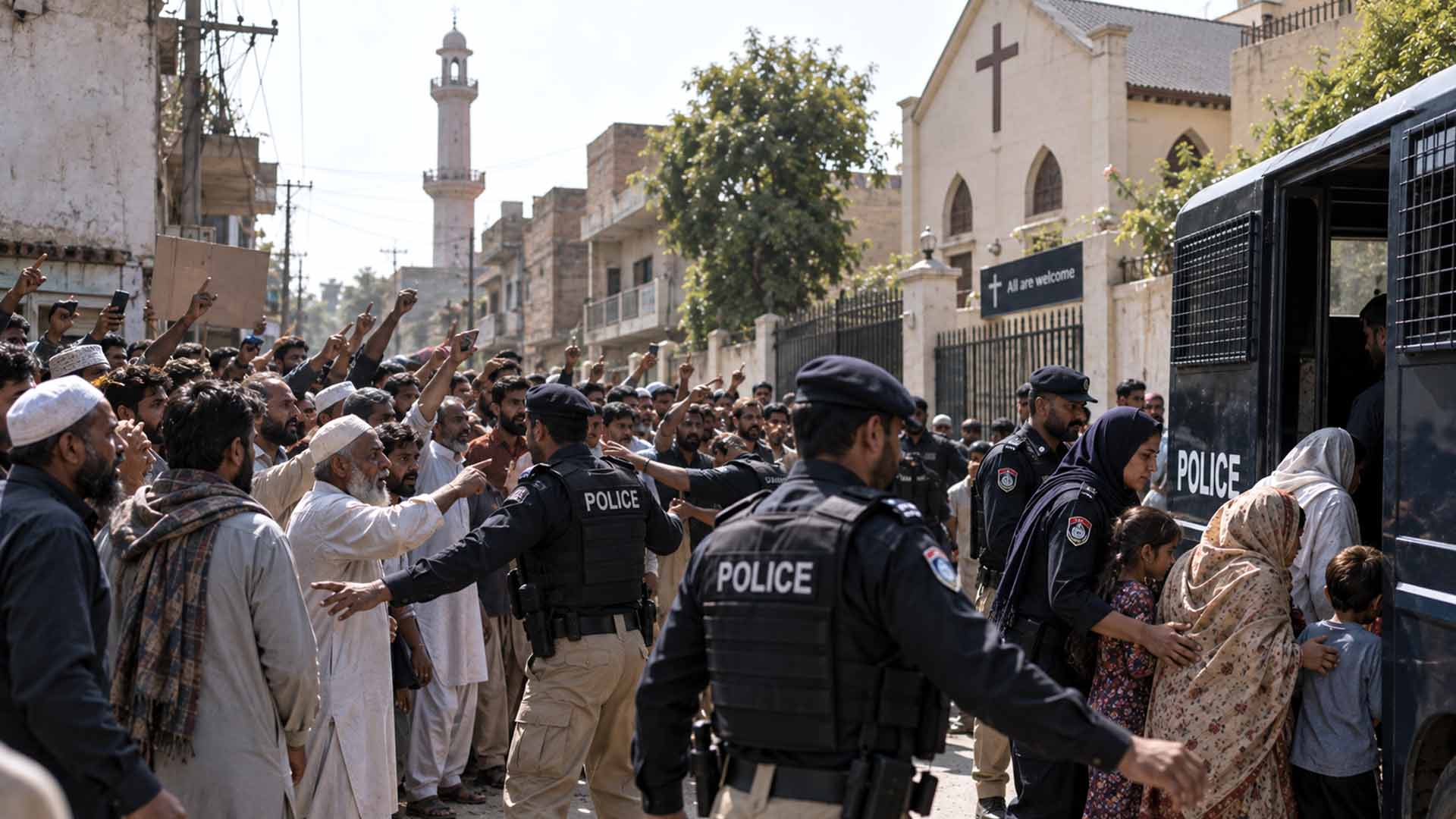








Lawyers defending blasphemy cases in Pakistan can face intimidation, threats and even deadly violence simply for representing the accused.
The right to a lawyer is one of the foundations of criminal justice.
But in Pakistan’s most sensitive blasphemy proceedings, accepting a defendant’s case can expose the lawyer to threats.
Sometimes the consequences have been fatal.
Rashid Rehman
Human-rights lawyer Rashid Rehman represented university lecturer Junaid Hafeez, who had been accused of blasphemy.
Rehman reportedly received threats because of his work.
In May 2014, he was murdered.
His killing sent a frightening message throughout Pakistan’s legal profession.
A lawyer could become a target simply for ensuring that an accused person received a defence.
What Happens When Lawyers Become Afraid?
The effect extends far beyond one defendant.
Other lawyers may refuse similar cases.
Young lawyers may decide the risk is too great.
Defence counsel may hesitate to challenge hostile witnesses.
Cases may proceed without the quality of representation normally expected where a defendant faces life imprisonment or death.
Representation Is Not Endorsement
This principle is essential:
Defending someone accused of blasphemy does not mean supporting blasphemy.
A lawyer representing someone accused of murder does not support murder.
The lawyer ensures that the prosecution proves its case lawfully.
The same principle applies here.
The ICJ’s Findings
The International Commission of Jurists documented intimidation and harassment of lawyers and judges as one of the systemic problems undermining blasphemy trials in Pakistan.
It also identified violations involving effective assistance of counsel, investigation and prolonged pretrial detention.
The consequences are obvious.
A defendant cannot receive a fair trial when the person responsible for defending them fears being murdered.
Conclusion
The real test of the right to legal representation comes when society despises the defendant.
Popular defendants do not need constitutional protection nearly as much as unpopular ones.
Rashid Rehman’s death demonstrates that the victims surrounding a blasphemy accusation can include people who were never accused themselves.
Sometimes merely standing beside the accused is dangerous.
Read in Dutch | German | Italian | Portuguese