






Blasphemy acquittals in Pakistan reveal why extreme caution is necessary when accusations can lead to life imprisonment or a death sentence.
Pakistan’s own appellate courts provide some of the strongest evidence for why extreme caution is necessary in blasphemy prosecutions.
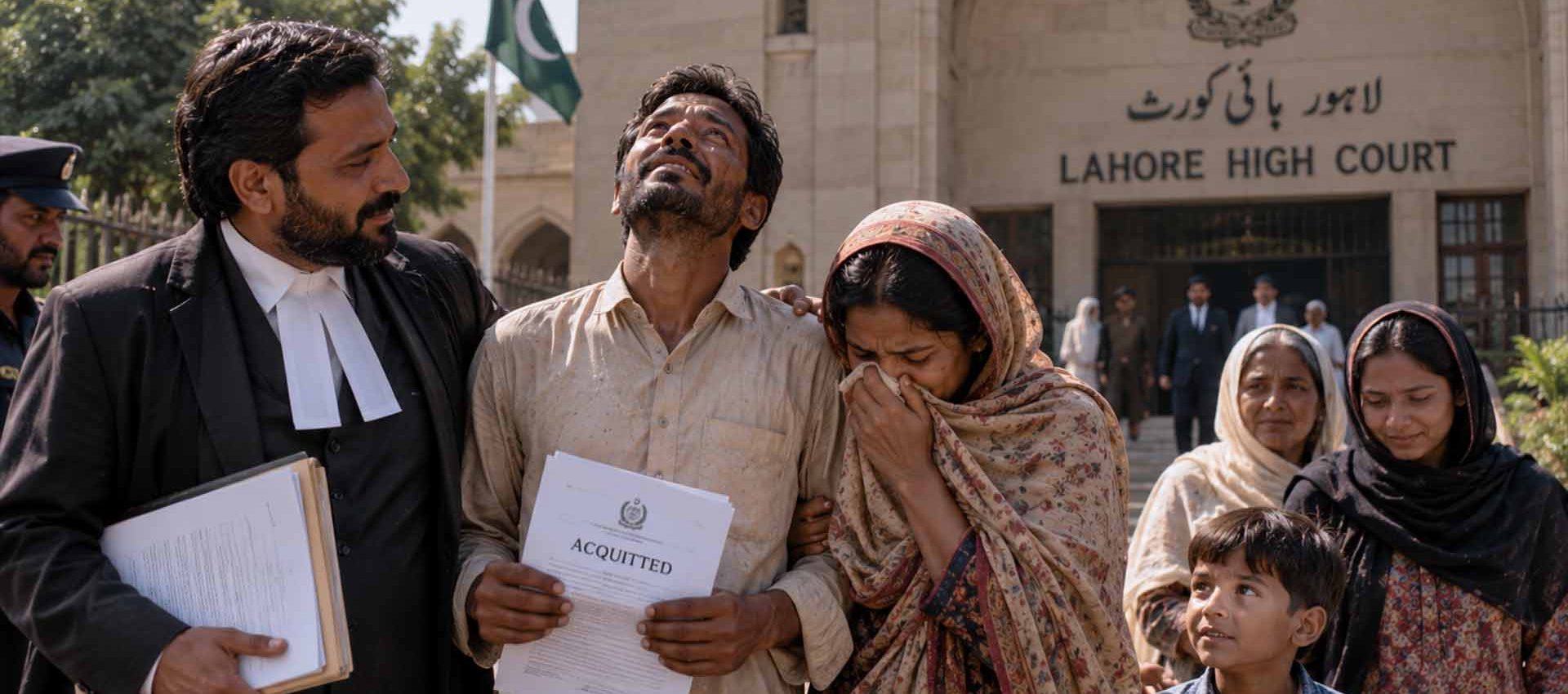
Numerous people convicted—some sentenced to death—have later been acquitted.
A Remarkable ICJ Finding
The International Commission of Jurists examined more than 100 blasphemy-related judgments.
Among 25 cases under Section 295-C in its sample where trial courts had convicted defendants, High Courts acquitted 19.
The ICJ found that procedural irregularities and bad-faith complaints were grounds for acquittal in more than 80 percent of the cases it studied.
That is an extraordinary warning about the reliability of proceedings at earlier stages.
Asia Bibi
Asia Bibi was sentenced to death.
Pakistan’s Supreme Court later identified serious inconsistencies in the prosecution evidence and acquitted her.
She had already spent years imprisoned.
Salamat and Rehmat Masih
Both were sentenced to death.
Both were subsequently acquitted by the Lahore High Court.
Their co-accused Manzoor had already been murdered.
Sawan Masih
Sawan Masih received a death sentence following an allegation in Lahore.
Years later, the Lahore High Court acquitted him.
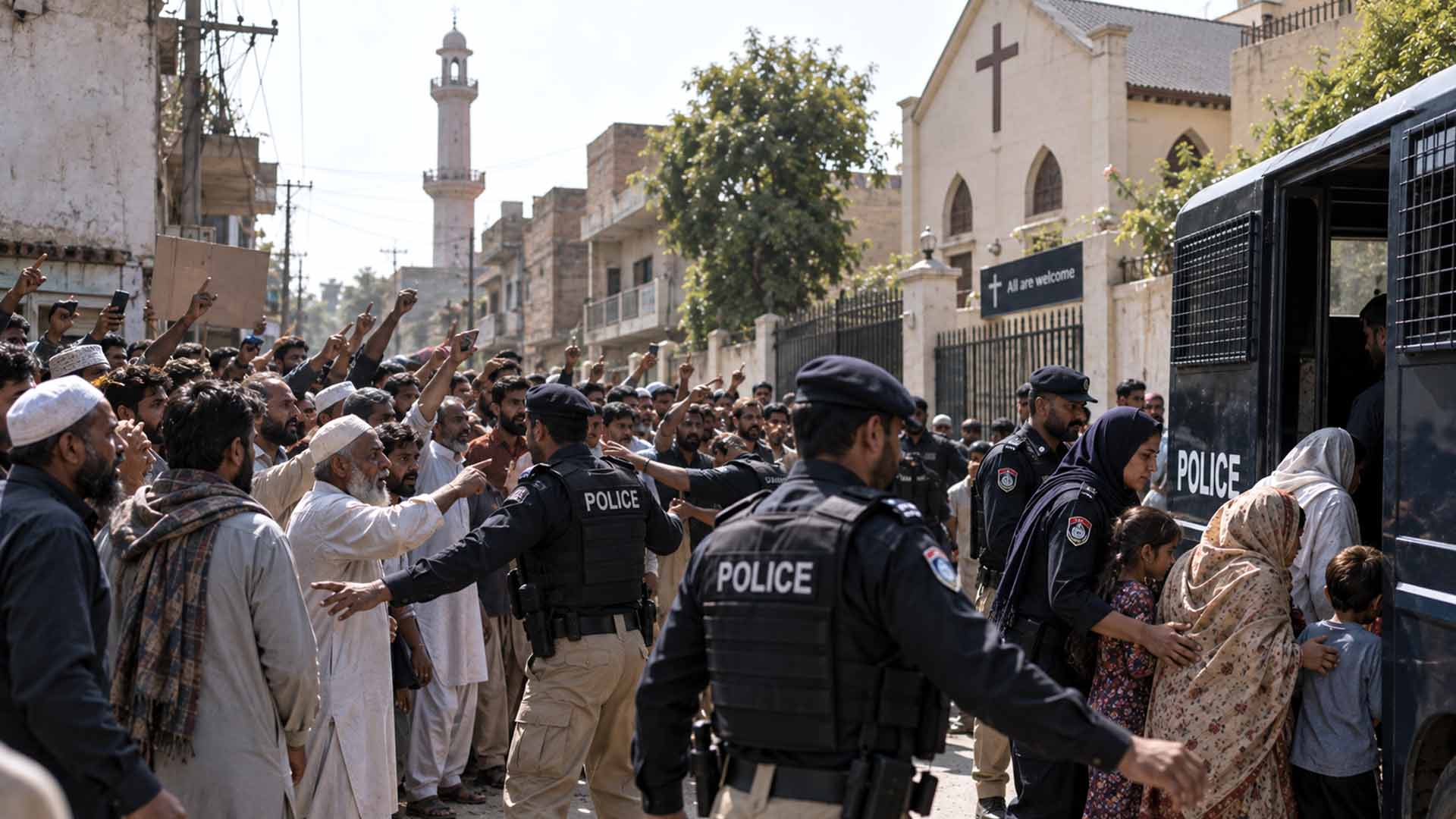
During the original controversy, his Christian neighborhood had been attacked.
Shagufta Kausar and Shafqat Emmanuel
The Christian couple spent years under death sentences before their convictions were overturned.
What Acquittals Do—and Do Not—Prove
An acquittal in one case does not prove every blasphemy allegation is false.
But repeated appellate reversals prove something extremely important:
the system can get these cases wrong.
And when the possible punishment is death, wrongful conviction is not a minor administrative failure.
Conclusion
Appeals are sometimes described as technical delays.
In these cases, appellate review has saved people from convictions that higher courts found could not stand.
The lesson is straightforward.
Where consequences are irreversible, evidence must be subjected to the highest possible scrutiny.
Read in Dutch | German | Italian | Portuguese