






Safe return after a blasphemy acquittal in Pakistan can remain difficult even when a court has formally cleared the accused of the charge.
Courts answer a legal question: Has the prosecution proved guilt?
But blasphemy defendants who are acquitted often face another question that no judgment can answer:
Where can I safely live now?
The Label Survives the Case
A criminal record can be corrected.
Public memory is harder.
A defendant may spend years appearing in:
newspaper reports,
social-media posts,
religious speeches,
videos,
and photographs.
When the court eventually acquits them, the judgment may receive far less attention than the original accusation.
Asia Bibi
Asia Bibi’s Supreme Court acquittal should theoretically have ended her ordeal.
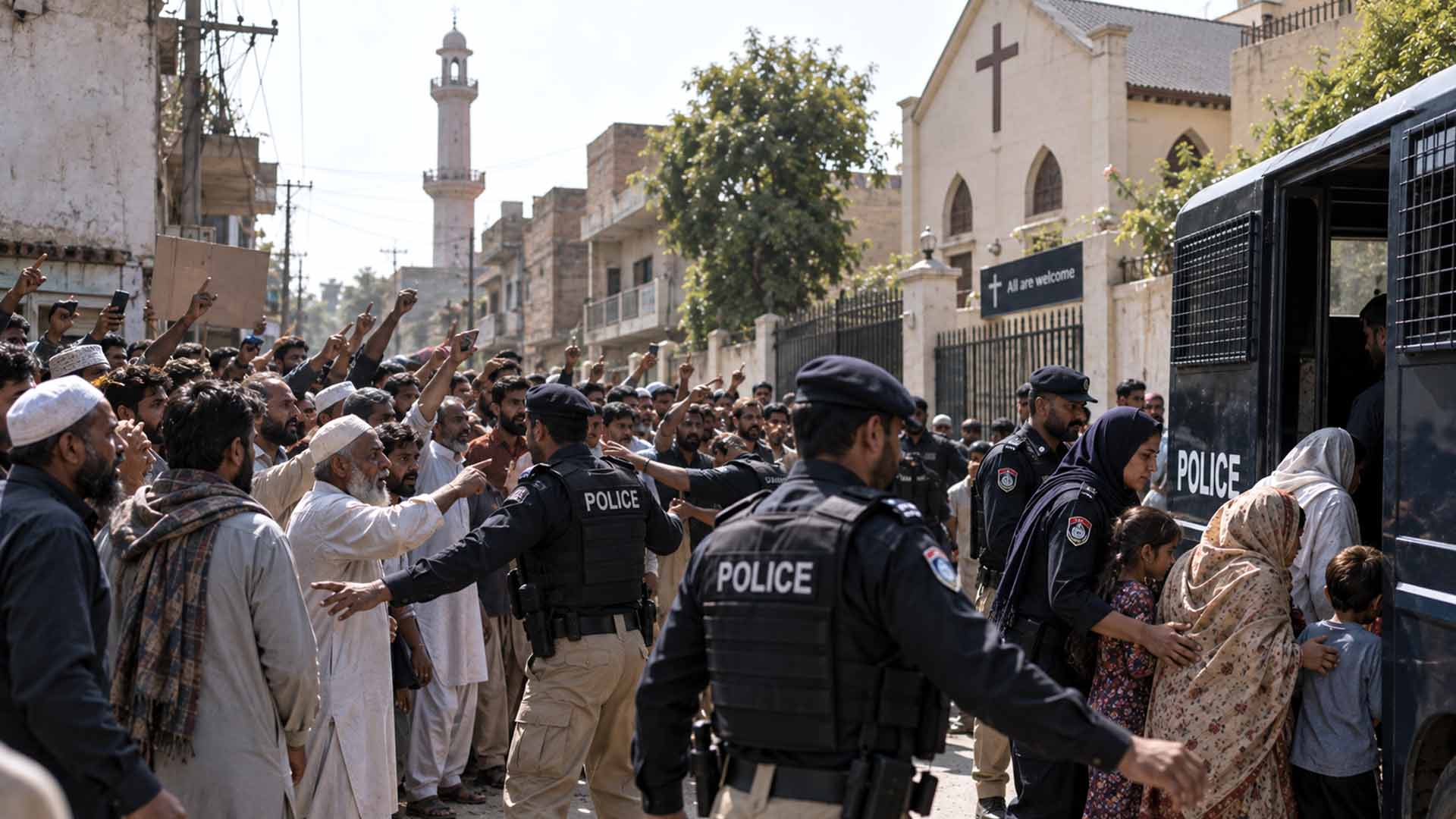
Instead, protests followed.
Security remained a serious concern.
She eventually left Pakistan for Canada.
Her legal innocence did not produce a safe return to her previous village.
Salamat Masih
Salamat survived an armed attack during his prosecution.
He was eventually acquitted.
But remaining safely in Pakistan proved extraordinarily difficult, and he left the country.
What Does “Internal Relocation” Mean?
It may sound simple:
Move to Karachi.
Move to Lahore.
Move somewhere nobody knows you.
But modern technology complicates anonymity.
Photographs circulate online.
Names appear in searchable news reports.
National identity documentation connects people to formal systems.
And relatives may remain identifiable.
For a nationally known defendant, moving to another city does not necessarily erase the threat.
Families Face the Same Question
The accused may be acquitted.
But what about:
their spouse?
their children?
their parents?
their siblings?
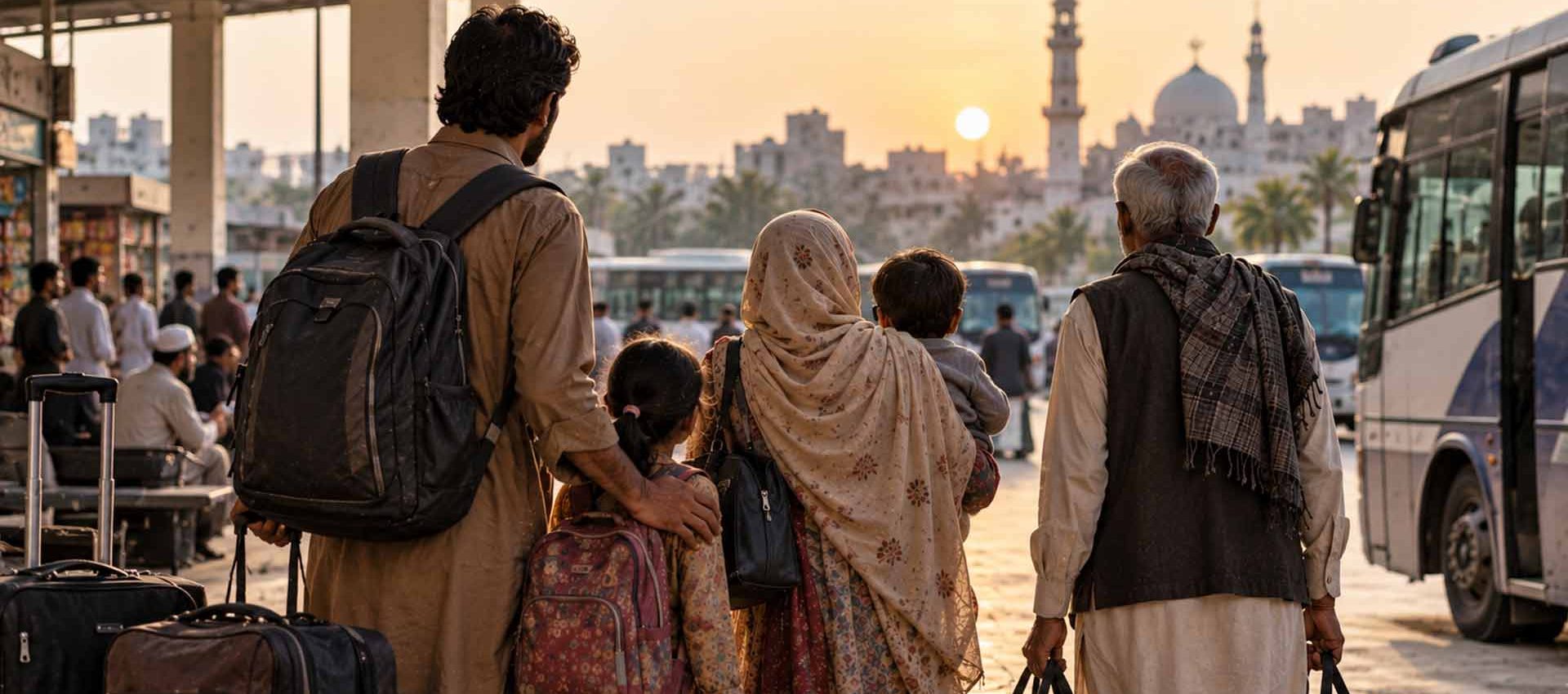
If threats extend to relatives, relocation becomes a family problem rather than an individual one.
Exile as Protection
Some defendants ultimately find safety abroad.
But international protection should not be romanticized.
Starting again in another country may involve:
a new language,
unemployment,
cultural isolation,
separation from relatives,
trauma,
and permanent uncertainty about returning home.
The Meaning of Genuine Acquittal
A meaningful justice system should aspire to more than releasing an innocent person.
It should protect that person’s ability to resume life.
Otherwise the formal sentence ends while the social sentence continues.
Conclusion
The final question in a blasphemy case should not merely be:
“Was the defendant acquitted?”
It should also be:
“What happened next?”
Did they return home?
Did they hide?
Did their children return to school?
Could they work?
Were they threatened?
Did they have to leave Pakistan?
These questions reveal the difference between freedom on paper and freedom in reality.
A person who has been cleared by the courts should not have to choose between their homeland and their life.
Read in Dutch | German | Italian | Portuguese