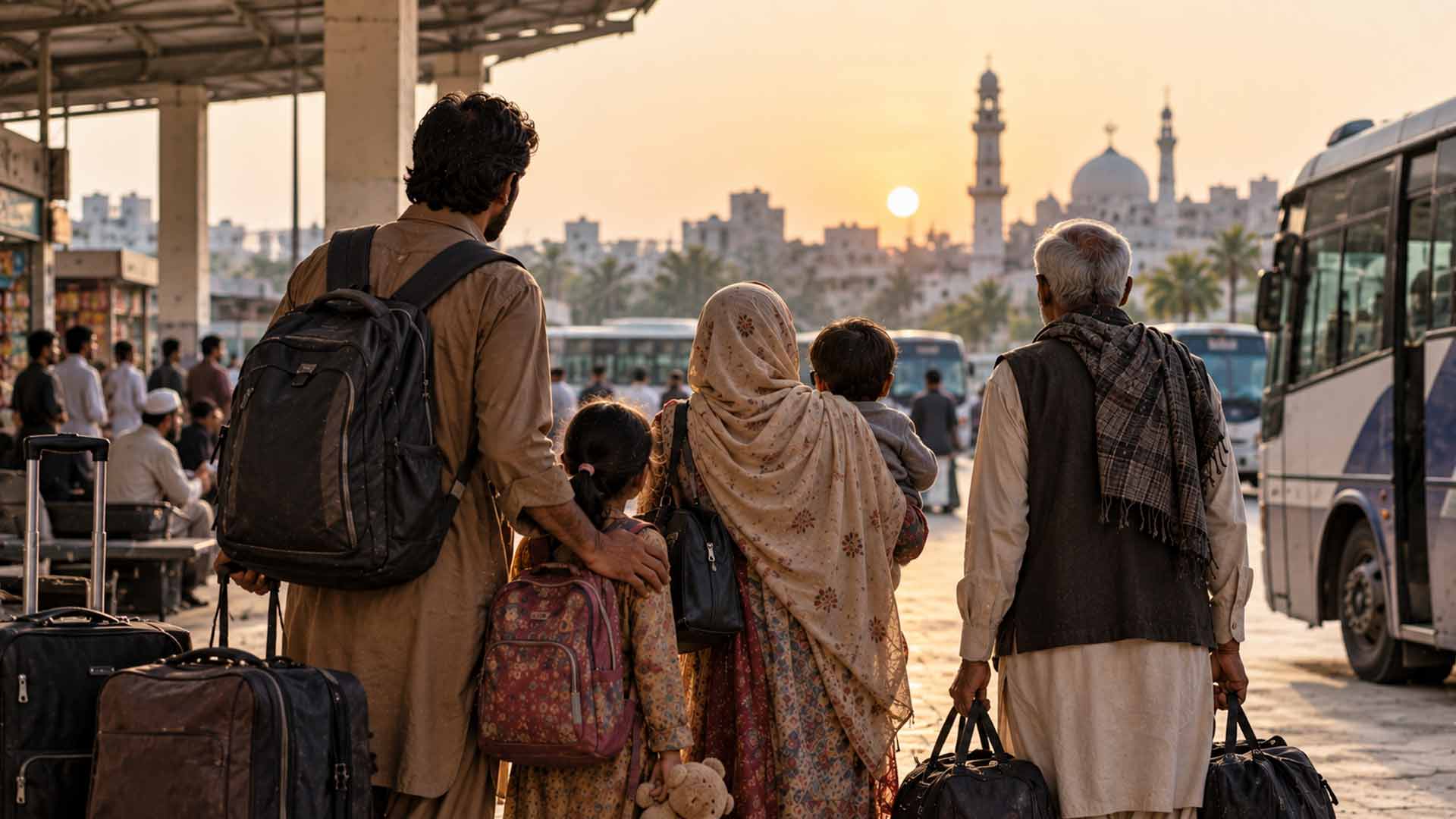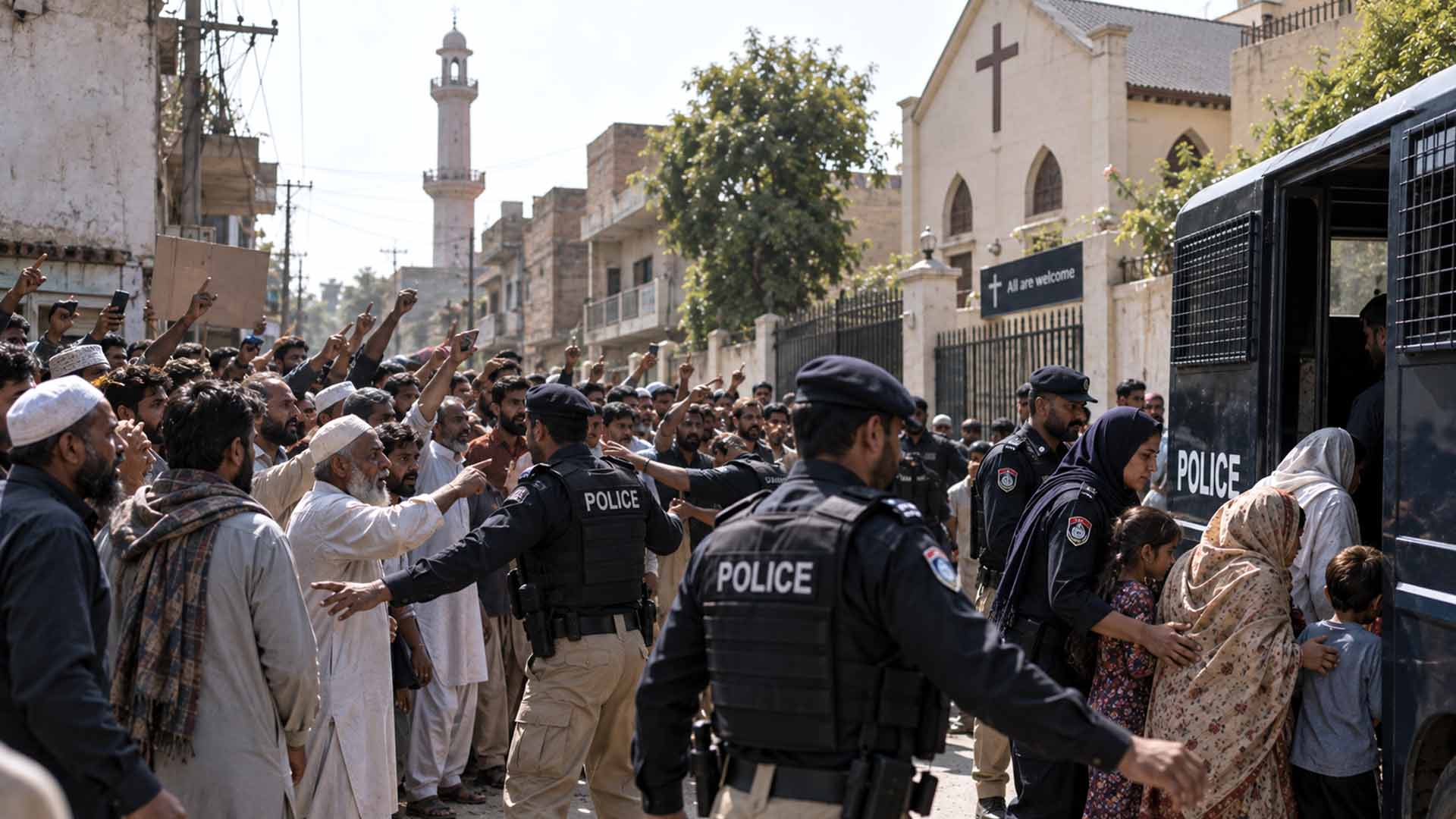







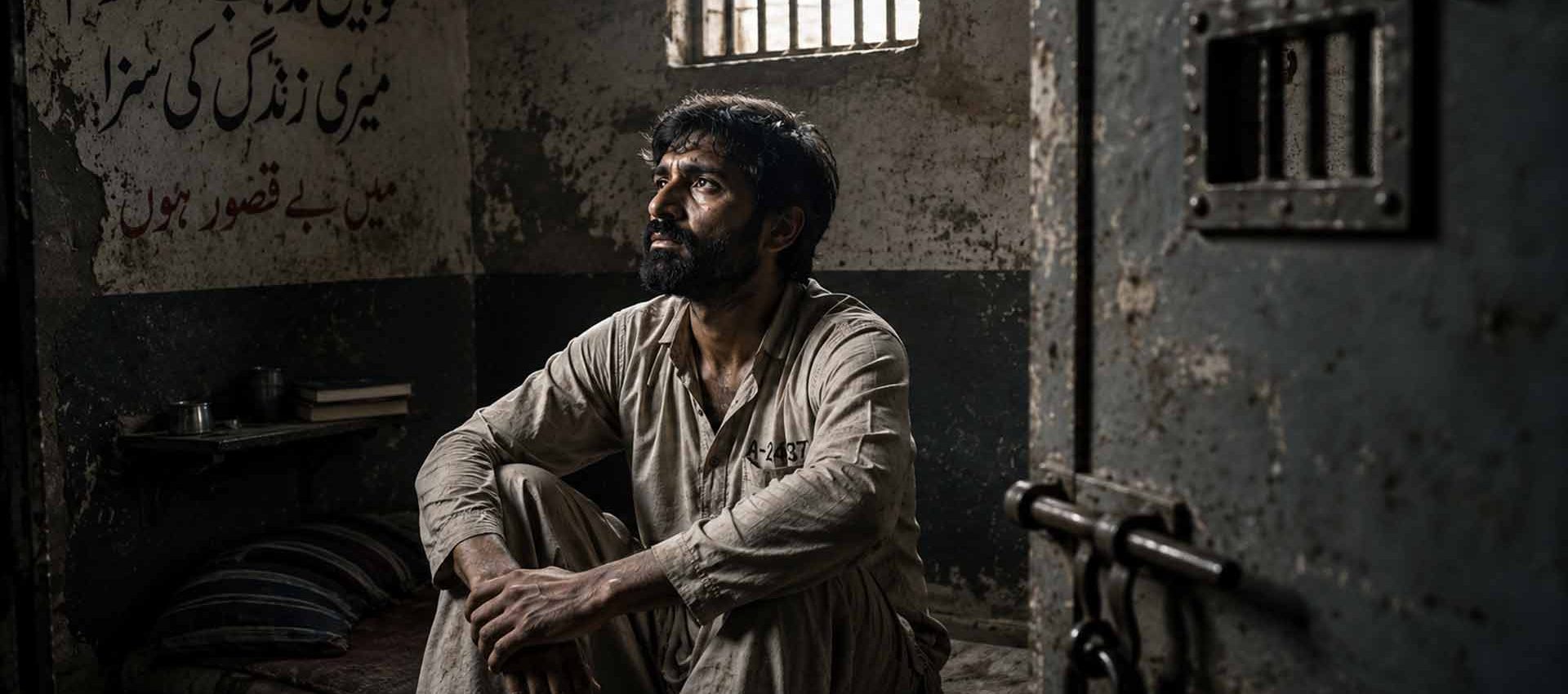
Blasphemy killings in Pakistan reveal a disturbing contradiction: although the law allows the death penalty for certain offences, many accused people have been killed outside the judicial process.
Pakistan’s law permits the death penalty for certain blasphemy offences.
Yet Pakistan has not carried out a judicial execution specifically for a blasphemy conviction.
At first glance, that sounds reassuring.
The historical reality is considerably darker.
Dozens of people associated with blasphemy allegations have been killed outside the formal execution process.
A Parallel Death Penalty
Consider the victims:
Shama and Shahzad Masih — lynched and burned.
Mashal Khan — beaten and shot.
Priyantha Kumara — lynched and his body burned.
Tahir Ahmad Naseem — shot inside a courtroom.
Samuel Masih — attacked while under police protection.
Waris — dragged from police custody and killed.
Nazir Masih — fatally attacked by a mob.
These were not executions following completed judicial review.
They were killings outside it.
Approximately 90 Lynchings
Reuters reported in August 2026 that Pakistan had experienced around 90 blasphemy-linked lynchings since 1990.
That figure changes the meaning of the statement that Pakistan has never judicially executed a blasphemy convict.
The absence of official execution has not meant the absence of death.
Who Is Responsible for Protection?
The state does not control every citizen.
But once someone is arrested, the state assumes a particularly strong responsibility for that person’s safety.
Deaths occurring:
inside police custody,
during police escort,
or inside court buildings
therefore raise profound questions about institutional protection.
A Significant Change in 2026
There is, however, an important current development.
Reuters reported in August 2026 that registered blasphemy cases had fallen sharply—by roughly two-thirds compared with comparable recent periods—amid a major crackdown on hard-line Islamist organisations.
Reported mob attacks also declined substantially.
This development deserves recognition.
It demonstrates that stronger state intervention can make a difference.
But decades of previous violence cannot disappear overnight, and minority communities interviewed by Reuters continued to describe lingering fear.
Conclusion
Pakistan’s experience reveals two possible death penalties.
One is imposed by a court.
The other is imposed by a crowd.
The second requires no conviction.
No appeal.
Sometimes not even an FIR.
Preventing that unofficial death penalty may be among the most urgent reforms of all.
Read in Dutch | German | Italian | Portuguese