






Acquitted but Still in Danger: Blasphemy Defendants Forced into Hiding and Exile
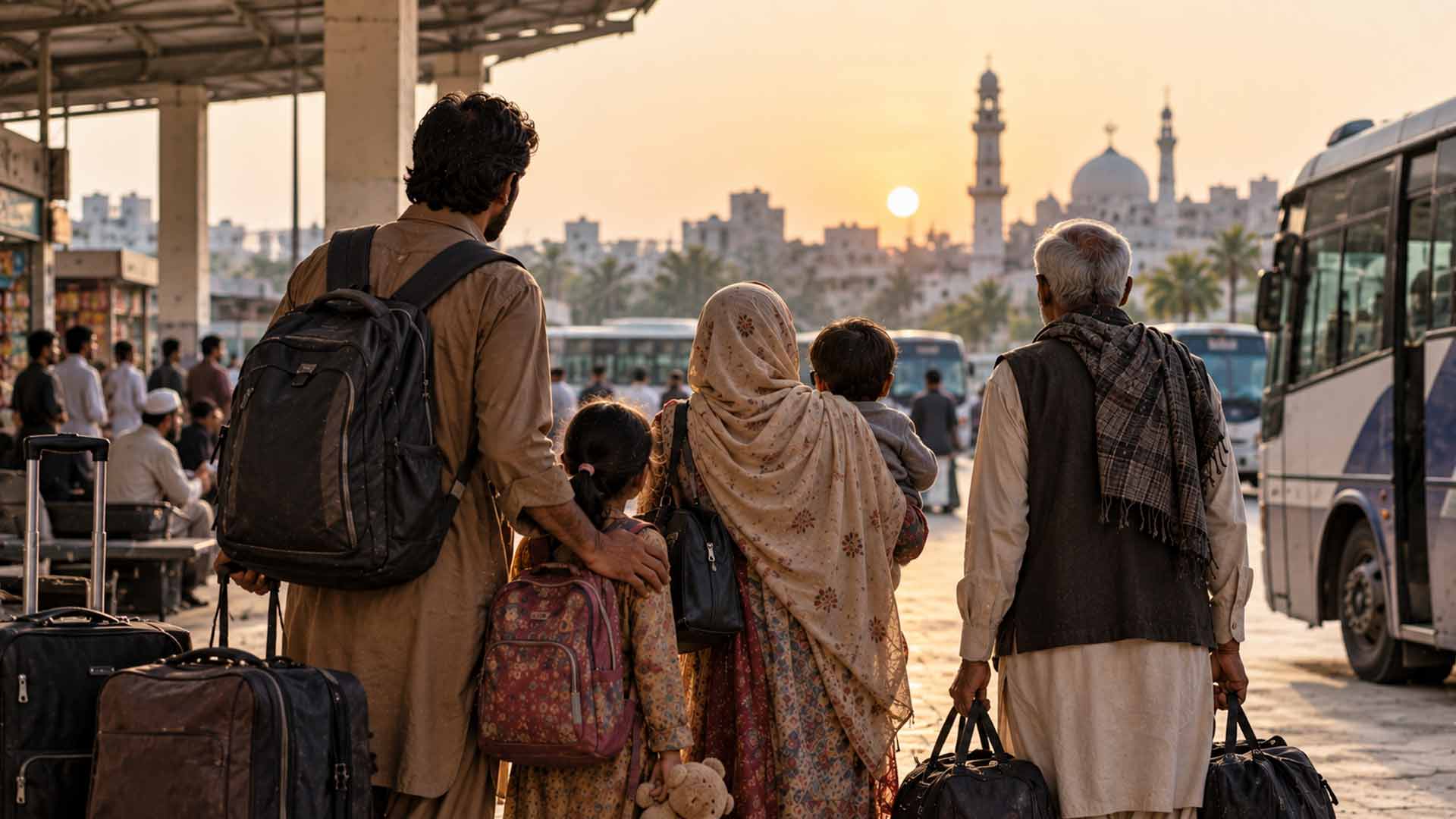
Blasphemy acquittals in Pakistan do not always mean that the accused can safely return to ordinary life. In most criminal cases, acquittal means freedom. For some people accused of blasphemy in Pakistan, acquittal has meant something much more complicated.
The prison door opens.
But home may still be unsafe.
Asia Bibi
Perhaps no case illustrates this better than Asia Bibi.
The Christian agricultural worker was accused following a dispute with Muslim women in Punjab in 2009.
She denied committing blasphemy.
In 2010 she was sentenced to death.
Nearly eight years later, on 31 October 2018, Pakistan’s Supreme Court acquitted her after identifying serious problems with the prosecution evidence.
Legally, Asia Bibi was free.
Practically, she remained in danger.
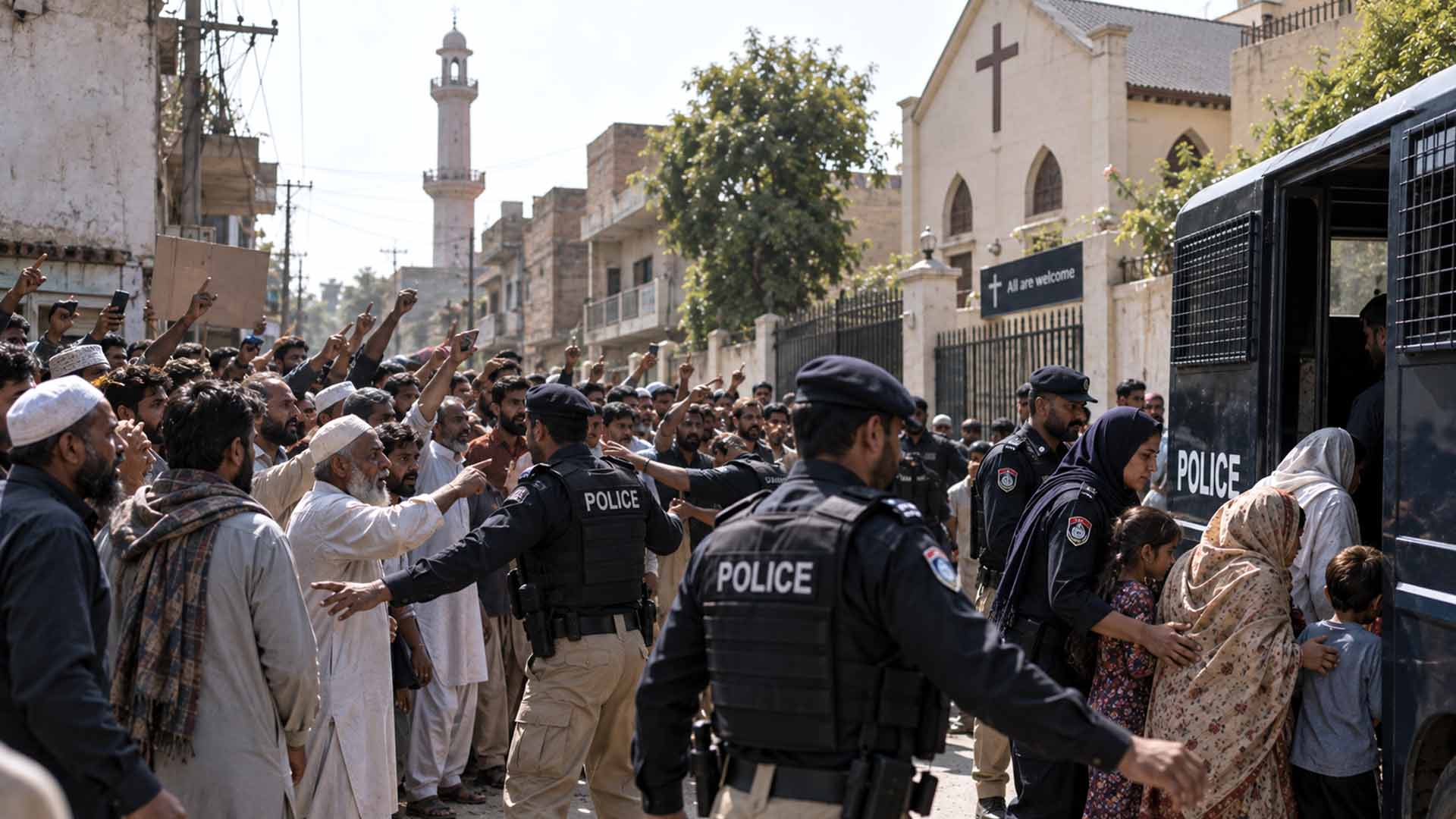
Her acquittal triggered large demonstrations.
Security concerns prevented an immediate return to ordinary life.
Eventually, in 2019, she left Pakistan for Canada.
Salamat Masih
Salamat Masih was a Christian child when accused alongside Rehmat Masih and Manzoor Masih.
During the proceedings, gunmen attacked them outside court.
Manzoor was killed.
Salamat and Rehmat survived and were later sentenced to death.
The Lahore High Court eventually acquitted them.
Salamat subsequently left Pakistan amid continuing fears for his safety.
Why Does Acquittal Not End the Threat?
A judicial verdict and a social accusation operate differently.
A court examines evidence.
A mob may never read the judgment.
Once a person’s name has become publicly associated with blasphemy, some extremists may continue to regard that individual as guilty regardless of what judges decide.
This creates an extraordinary situation:
A person can be innocent according to the law but still be unable to live safely in the country whose courts declared them innocent.
The Hidden Price of Exile
International reporting sometimes ends when the defendant reaches another country.
But exile is not necessarily a happy ending.
It may mean losing:
a home,
employment,
extended family,
language,
community,
church,
neighbours,
and the country where the person expected to spend the rest of their life.
Safety matters enormously.
But forced exile is still a loss.
Conclusion
Every blasphemy case archive should therefore record two outcomes:
Judicial outcome: convicted, acquitted, released or pending.
Human outcome: safe at home, displaced, hiding, threatened or forced abroad.
Without the second category, the historical record remains incomplete.
Justice should mean more than surviving prison.
An innocent person should also have the right to go home.
Read in Dutch | German | Italian | Portuguese