







Children accused of blasphemy in Pakistan reveal some of the most disturbing consequences of the country’s blasphemy laws. Few cases reveal the severity of Pakistan’s blasphemy system more starkly than those involving children.
Minors have faced allegations capable of producing imprisonment, community violence and threats against entire families.
Salamat Masih
Salamat Masih was approximately 12 years old when accused of writing allegedly blasphemous words.
A fundamental evidentiary problem surrounded the allegation:
Salamat was reportedly illiterate.
Nevertheless, the case proceeded.
He was eventually sentenced to death before the Lahore High Court acquitted him.
During the proceedings, his adult co-accused Manzoor Masih was murdered in an attack outside court.
A child defendant therefore experienced a criminal proceeding surrounded by actual lethal violence.
Rimsha Masih
In 2012 another Christian child, Rimsha Masih, became internationally known after being accused of desecrating religious material.
Reports indicated that she had intellectual or developmental difficulties.
The prosecution later collapsed amid allegations that evidence had been manipulated.
The Islamabad High Court quashed the case.
But the danger surrounding Rimsha and her family did not simply disappear.
An Eight-Year-Old Hindu Child
In 2021, an eight-year-old Hindu boy in Punjab faced a blasphemy allegation after an incident at a madrassa.
The child’s case became internationally known partly because of his extraordinarily young age.
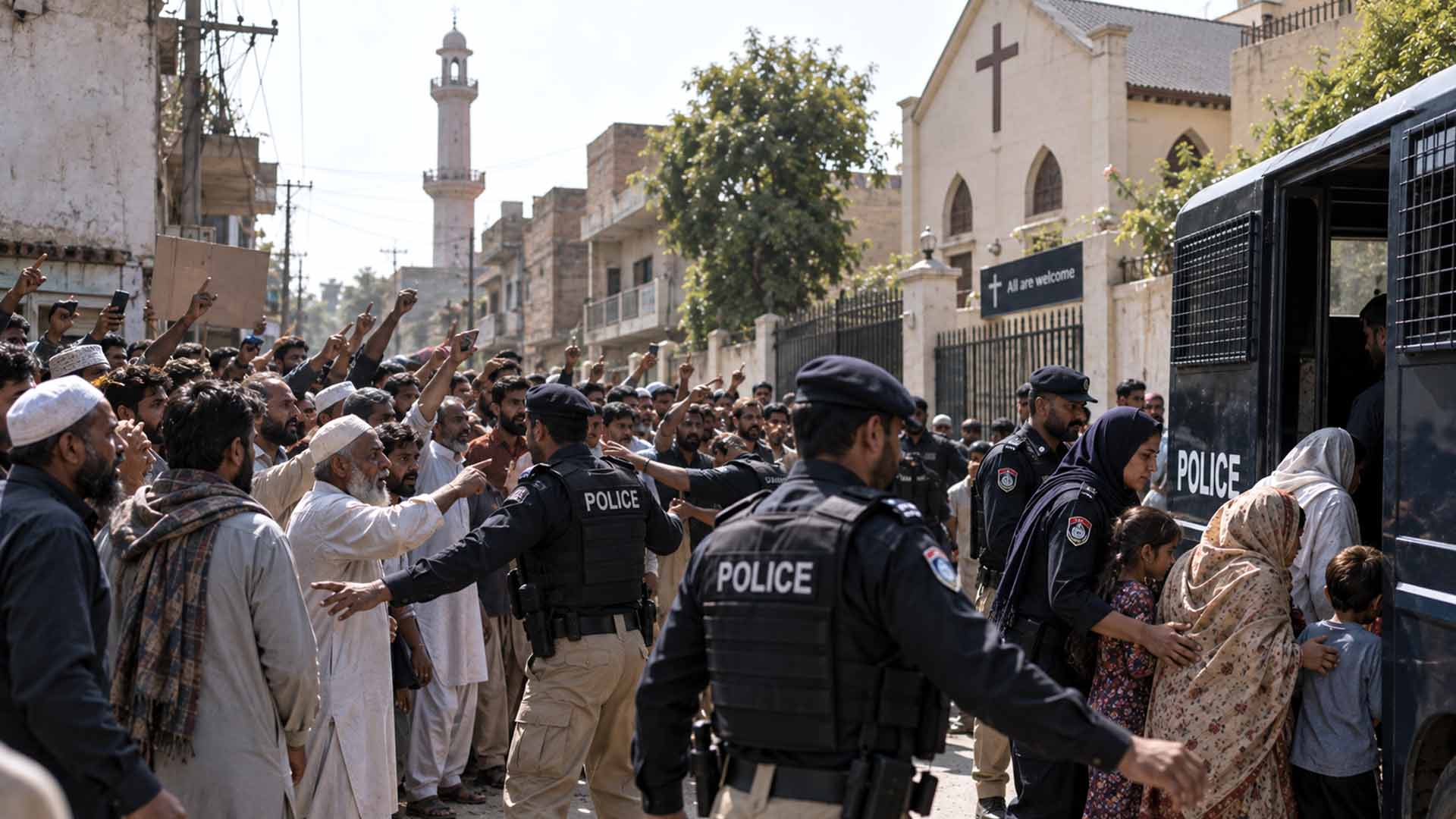
Following developments in the case, a Hindu temple was attacked by a mob.
The consequences therefore extended far beyond one child.
Why Children Require Special Protection
Children may not understand:
what constitutes a criminal offence;
why their words are being interpreted in a particular way;
their right to legal assistance;
the consequences of a statement to police;
or the seriousness of signing a document.
Children with developmental or intellectual disabilities are even more vulnerable.
The Family Becomes the Defendant Too
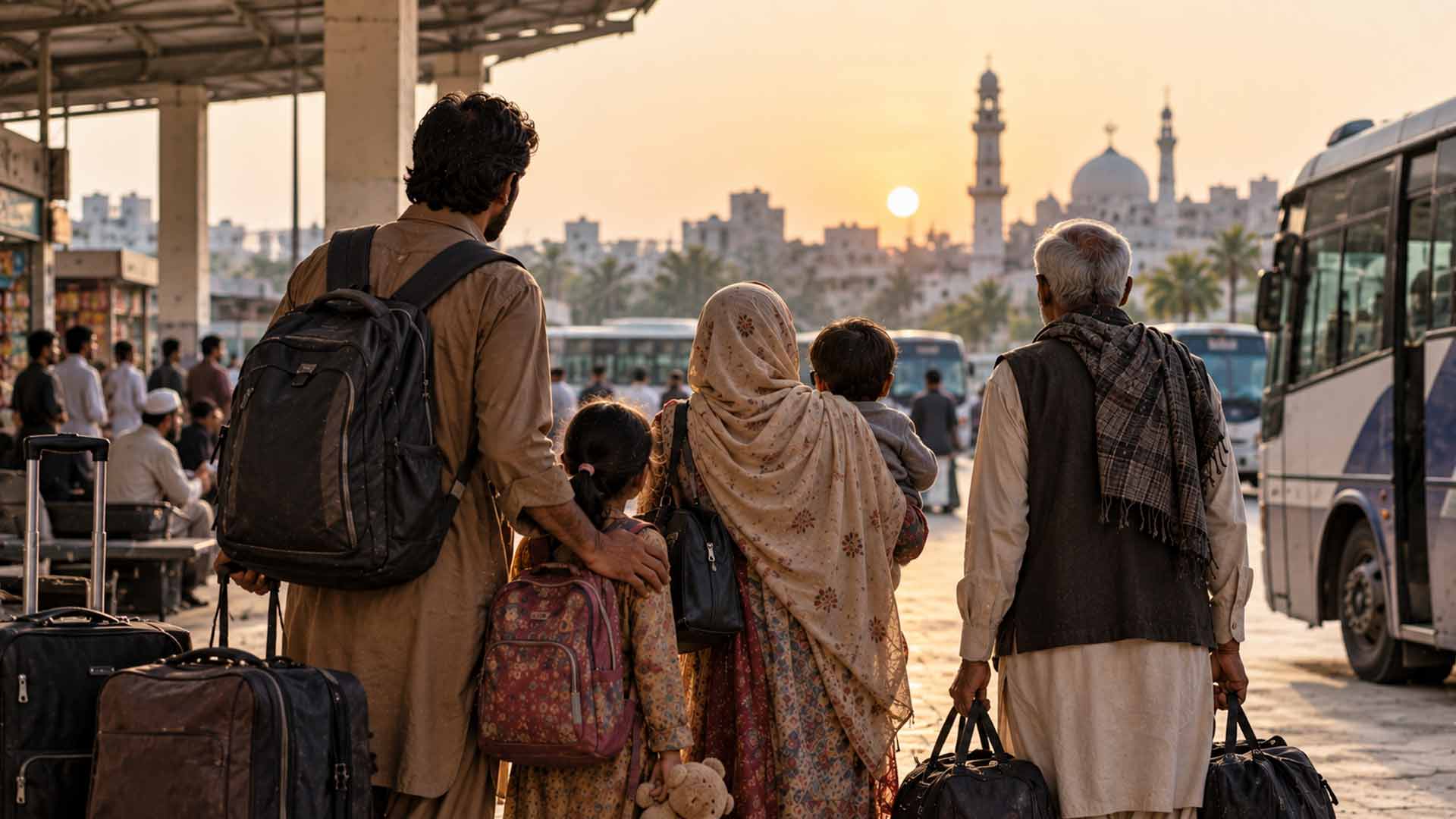
When a child is accused, parents may effectively become prisoners of the accusation.
They may lose employment.
Siblings may stop attending school.
The family may have to relocate.
Neighbours may become afraid to associate with them.
Even after acquittal, returning home may be impossible.
Conclusion
A justice system must be judged partly by how it treats people least capable of defending themselves.
An accusation serious enough to provoke mob violence should demand more safeguards when the defendant is a child—not fewer.
No child should become the target of collective fury before they are even old enough to understand the allegation made against them.
Read in Dutch | German | Italian | Portuguese